
 Login
LoginCompare
What each tool does. What Yuzu does.
CRM owns the record. Notetakers own memory. Gong owns inspection. Yuzu owns the next move.
Feature matrix
Scan the stack first.
Check means the product owns the capability directly. A dash means partial, configured, or adjacent. X means it is not the job of that tool.
| Capability | CRMSalesforce | CRMHubSpot | AI CRMAttio | AI CRMMonaco | Revenue intelligenceGong | NotetakerGranola | Workspace + notesNotion | GTM action layerYuzu |
|---|---|---|---|---|---|---|---|---|
| Official CRM record | ||||||||
| Forecast / pipeline inspection | ||||||||
| Call / meeting capture | ||||||||
| Ranks what changed by deal impact | ||||||||
| Buyer room / stakeholder graph | ||||||||
| Buyer-facing TLDR video | ||||||||
| Business case / proof page | ||||||||
| Drafts seller follow-up from call + CRM | ||||||||
| Mutual action plan from deal state | ||||||||
| CRM writeback after approval | ||||||||
| Waits until action is worth it |
Feature details
What the checks actually mean.
The compact table is for scanning. These tables keep the richer comparison language: where each product owns the workflow, where it is adjacent, and where Yuzu adds the action layer.
CRM
Salesforce vs Yuzu
| Feature | Salesforce | Yuzu |
|---|---|---|
| Official opportunity record | Salesforce owns the account, contact, opportunity, owner, stage, forecast category, and field history. | Yuzu reads the opportunity and writes back the read, risk, next step, and proof asset instead of becoming another CRM. |
| Forecast inspection | Dashboards and forecast views show where the number is landing and where the manager should inspect. | Yuzu focuses on the point before the forecast is lost: the signal, reason, and action that can still change it. |
| Buyer belief | Usually inferred from fields, notes, tasks, and seller judgment. | Modeled from calls, email silence, stakeholder movement, and prior winning patterns. |
| Proof production | Salesforce can store and route content once the seller creates it. | Yuzu drafts TLDR videos, business pages, champion notes, and mutual action assets from the deal context. |
| Seller interruption | Tasks and alerts can be frequent because they are process-driven. | Yuzu stays quiet until the signal crosses the line where action changes the outcome. |
| Admin load | Powerful but often admin-heavy in mature deployments. | Designed to use the data already in place and reduce the manual work after the call. |
CRM
HubSpot vs Yuzu
| Feature | HubSpot | Yuzu |
|---|---|---|
| Contact and deal record | HubSpot organizes the people, companies, deals, activity, and CRM cards around the record. | Yuzu reads the record as context and turns the live deal moment into an approved action. |
| Timeline value | Great for seeing what happened and when it was logged. | Built to decide which timeline event changed the odds and what to do next. |
| Seller follow-up | Sequences, tasks, templates, and manual emails. | Drafts follow-up from the buyer language, objection, proof gap, and next milestone. |
| Buyer proof | Can host content and links if the seller creates them. | Creates TLDR videos and business pages from calls and CRM context. |
| Forecast read | Pipeline and forecast views reflect stages, activities, and properties. | Forecast is read against the team’s own closed-won shape and live buyer signals. |
| Best combined motion | HubSpot remains the accessible CRM and pipeline system. | Yuzu becomes the deal action layer that plugs into HubSpot. |
AI CRM
Attio vs Yuzu
| Feature | Attio | Yuzu |
|---|---|---|
| Data model | Flexible objects, lists, views, relationships, and CRM workflow design. | Reads whatever model the team already uses, then connects it to call and buyer signals. |
| Live deal read | Depends on the records, views, fields, and automations the team creates. | Built around weighted signals from calls, CRM, email silence, stakeholder change, and prior wins. |
| Knowledge memory | A modern CRM record can keep rich context if the team models it. | Master Brain and Vault keep GTM-specific patterns, objections, win themes, and deal memory alive. |
| Action output | Workflow automation and CRM actions when configured. | Seller-reviewed TLDR, business page, follow-up, route, or CRM writeback. |
| Best buyer | Teams that want a better CRM foundation. | Teams that already have context and want the next move to be generated from it. |
AI CRM
Monaco vs Yuzu
| Feature | Monaco | Yuzu |
|---|---|---|
| Account prioritization | AI scoring and account-list workflows help decide where to look. | Yuzu decides what to do once the buyer conversation creates a live deal moment. |
| Signal surface | Signals are oriented around accounts, scoring, and GTM workspace context. | Signals are weighted by deal impact, buyer belief, and similarity to prior wins. |
| Content output | Can help generate or coordinate activity depending on workflow. | Creates deal-specific buyer proof: TLDR, page, note, and mutual plan. |
| Risk model | Risk depends on the account data and modeled sales process. | Risk is read from calls, silence, stakeholder drift, proof gaps, and closed-won patterns. |
| Best combined motion | Use for account discovery, scoring, and AI-native GTM setup. | Use for mid-funnel motion where one buyer-ready artifact can save the deal. |
Revenue intelligence
Gong vs Yuzu
| Feature | Gong | Yuzu |
|---|---|---|
| Conversation intelligence | Gong is built around capturing, analyzing, and coaching from sales conversations. | Yuzu uses call intelligence as one input to decide and draft the next deal move. |
| Forecast process | Strong for manager inspection and pipeline confidence workflows. | Strong for acting on the moment that can change a live opportunity trajectory. |
| Recommended action | Often points the team toward risk, coaching, or inspection. | Produces the actual seller-approved output: proof, note, page, or follow-up. |
| Buyer artifact | The call recording and transcript can be reviewed, but the buyer asset is another step. | TLDR videos and business pages are first-class outputs. |
| Best combined motion | Use Gong for revenue intelligence and forecast discipline. | Use Yuzu to convert the insight into the move the buyer sees. |
Notetaker
Granola vs Yuzu
| Feature | Granola | Yuzu |
|---|---|---|
| Meeting capture | Granola is optimized for clean notes and staying present during the call. | Yuzu can ingest call notes and transcripts, then connect them to the deal graph. |
| Deal memory | The meeting is remembered as a note. | The meeting is remembered as buyer belief, risk, proof gap, and next action. |
| Forecast signal | Not the native job of a notetaker. | Reads whether the conversation moved the odds and why. |
| Buyer-facing output | Notes can be shared, but they are not built as buyer proof. | Creates TLDR videos, business pages, follow-ups, and mutual plans. |
| Best combined motion | Use Granola to make the call record stronger. | Use Yuzu to turn that record into the move. |
Workspace + notes
Notion vs Yuzu
| Feature | Notion | Yuzu |
|---|---|---|
| Workspace memory | Notion is a broad workspace for docs, meeting notes, projects, and wiki. | Yuzu keeps GTM memory tied to deals, calls, stakeholders, objections, and prior wins. |
| Meeting notes | AI meeting notes preserve what happened and make it searchable. | Call notes become weighted deal signals and buyer-facing outputs. |
| Revenue timing | Not the default job of a general workspace. | Core job: know when a deal needs action and what action is worth sending. |
| Business case | A seller can write one in Notion manually. | Yuzu generates a shareable business page from the call and CRM context. |
| Best combined motion | Use Notion for broad team knowledge. | Use Yuzu for GTM intelligence and action. |
Stack roles
Record, memory, action.
Record
CRM stays the record.
Salesforce, HubSpot, Attio, and some AI CRM systems are where account and opportunity records live. Yuzu reads them and writes back the action.
Memory
Notes are not the move.
Granola, Notion, and Gong preserve what happened. Yuzu decides whether what happened is worth interrupting the seller.
Action
The missing layer is action.
Yuzu creates the TLDR, proof page, follow-up, mutual action plan, or CRM writeback tied to the live deal read.
UI evidence
The actual surfaces.
Public product and documentation screens from the other tools, next to live Tempo sandbox screens from Yuzu.
CRM
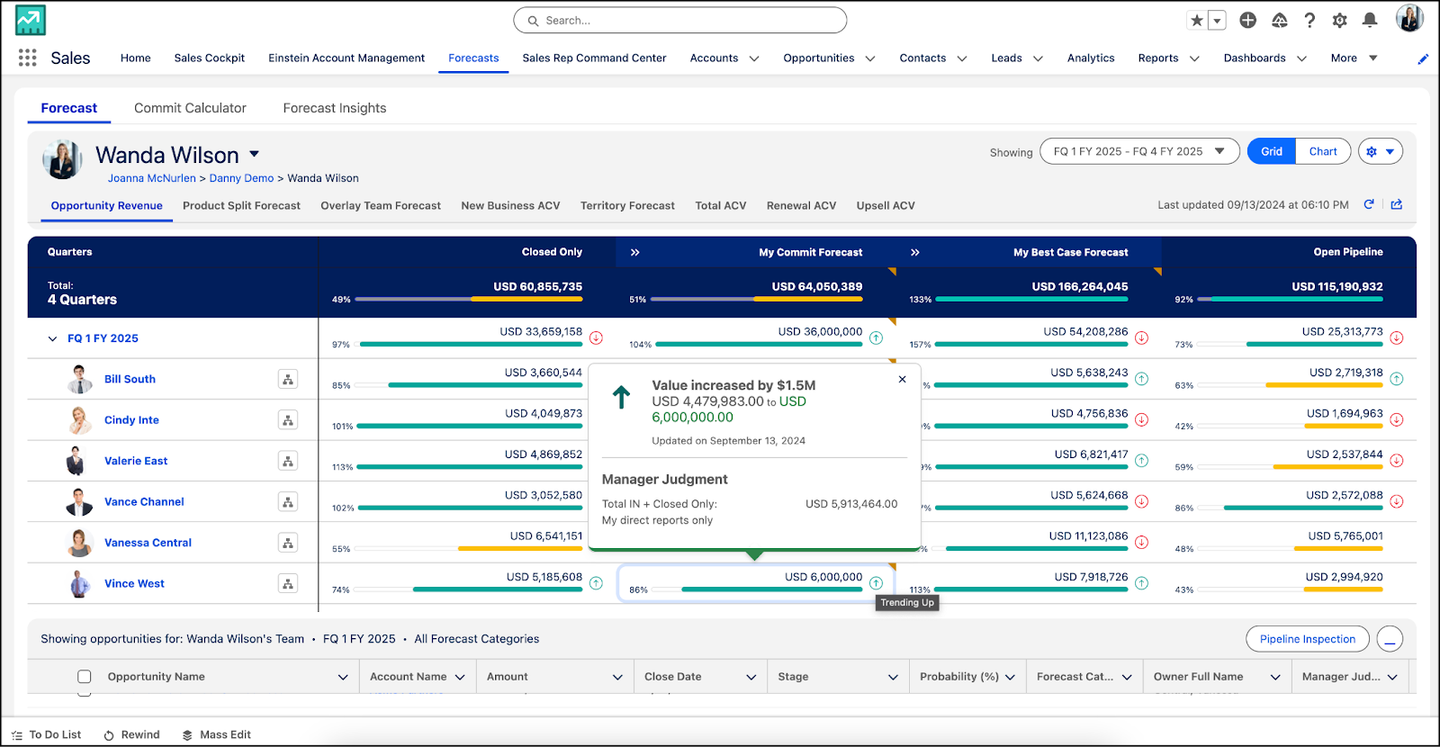
Salesforce forecast dashboard
CRM
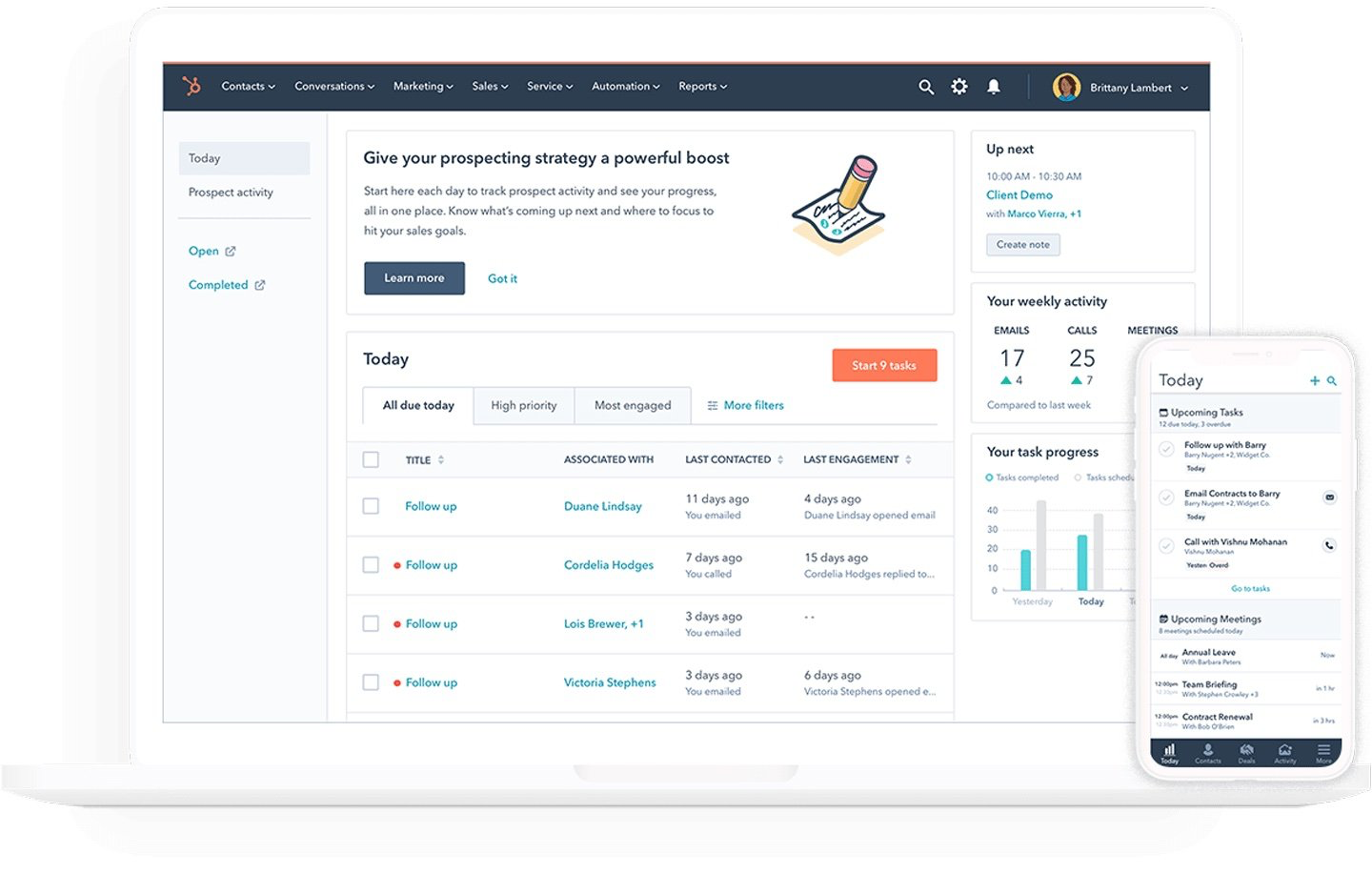
HubSpot CRM card
AI CRM
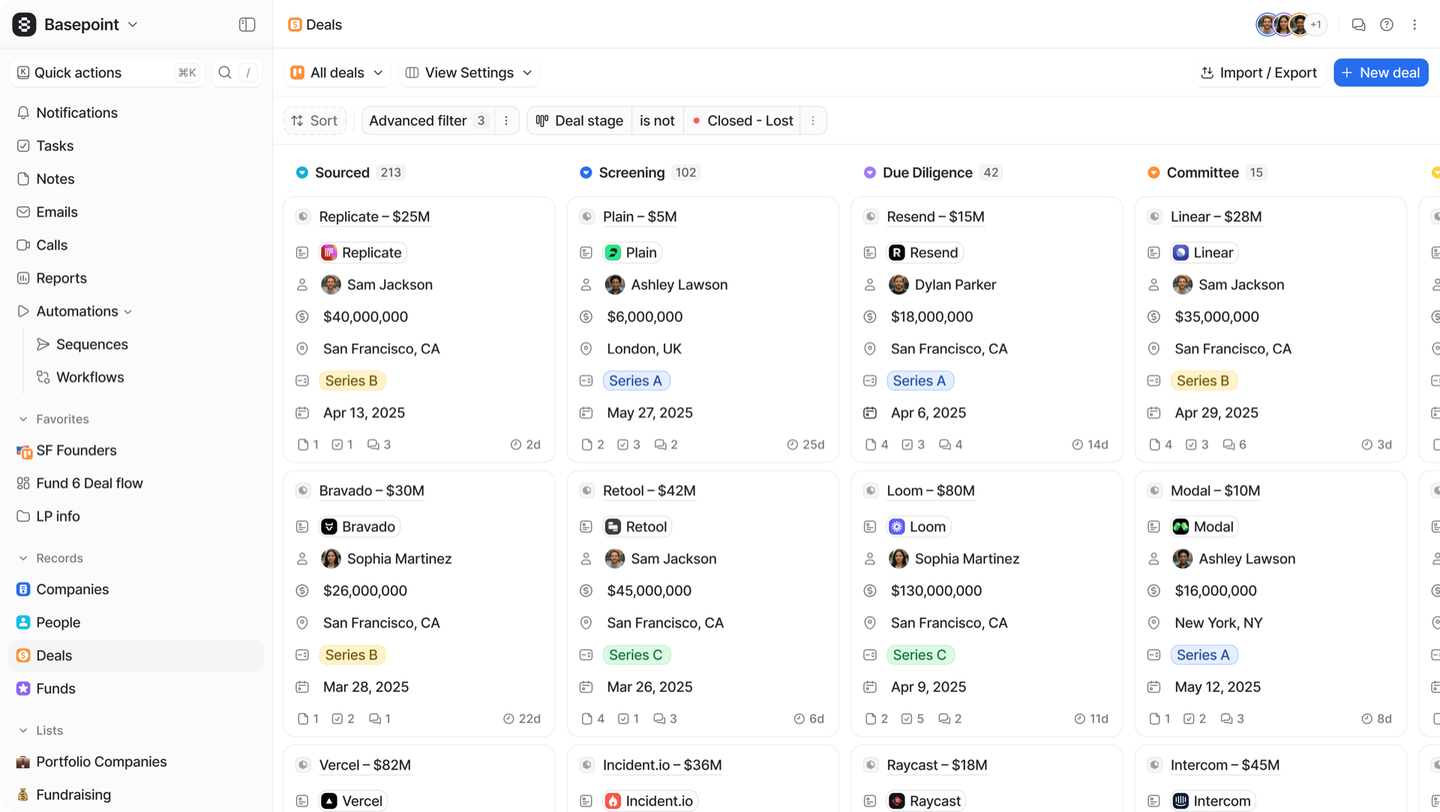
Attio deals view
AI CRM
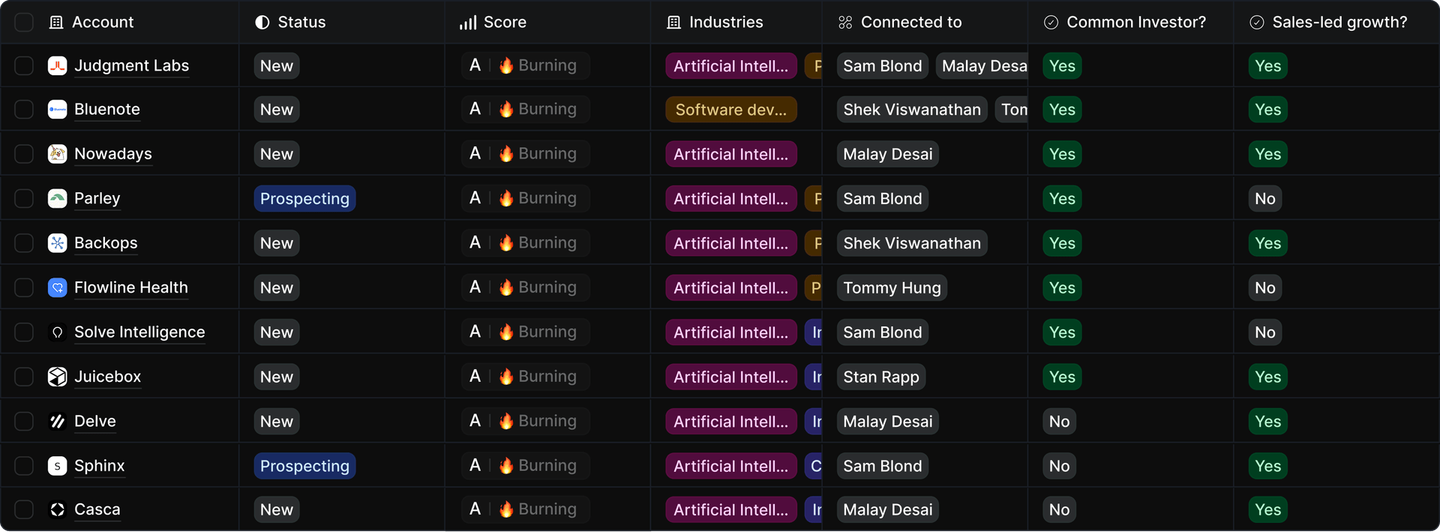
Monaco account signals
Revenue intelligence
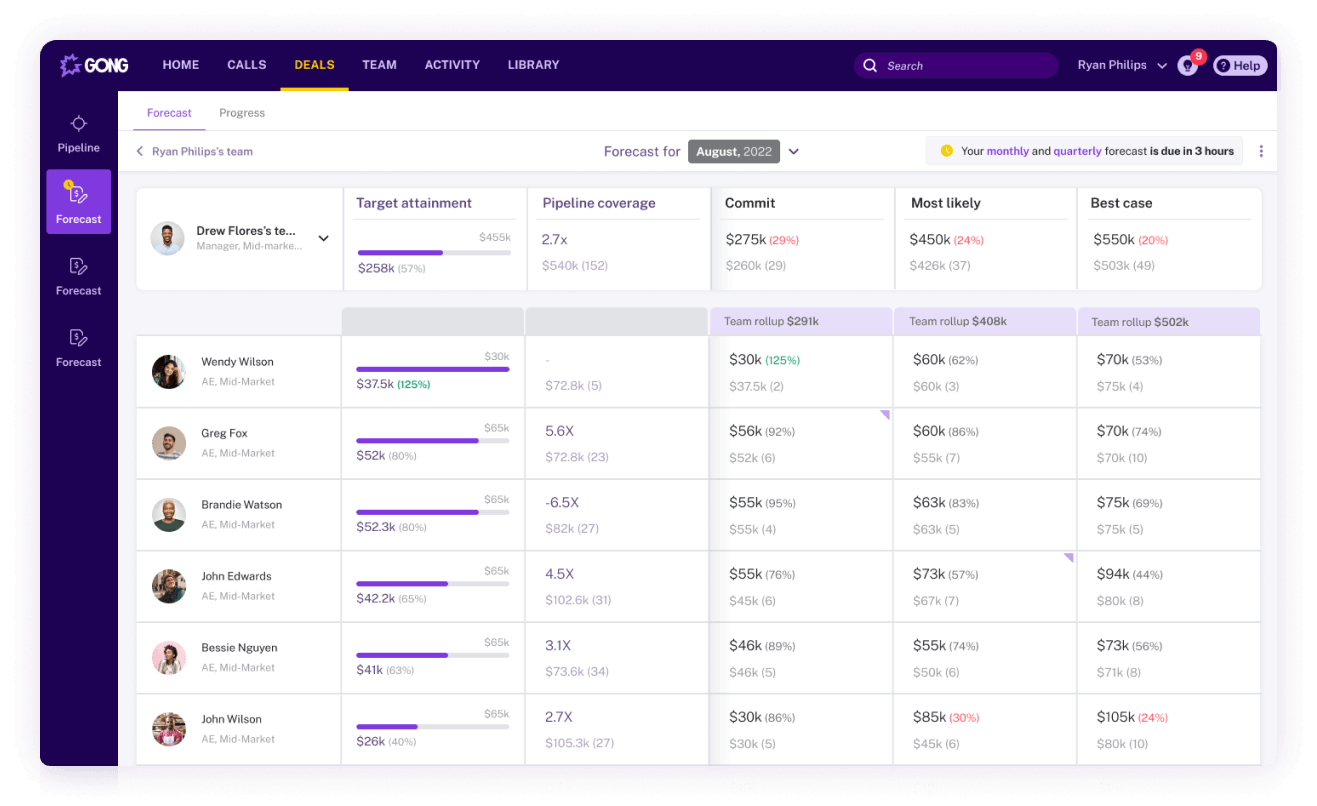
Gong forecast view
Notetaker
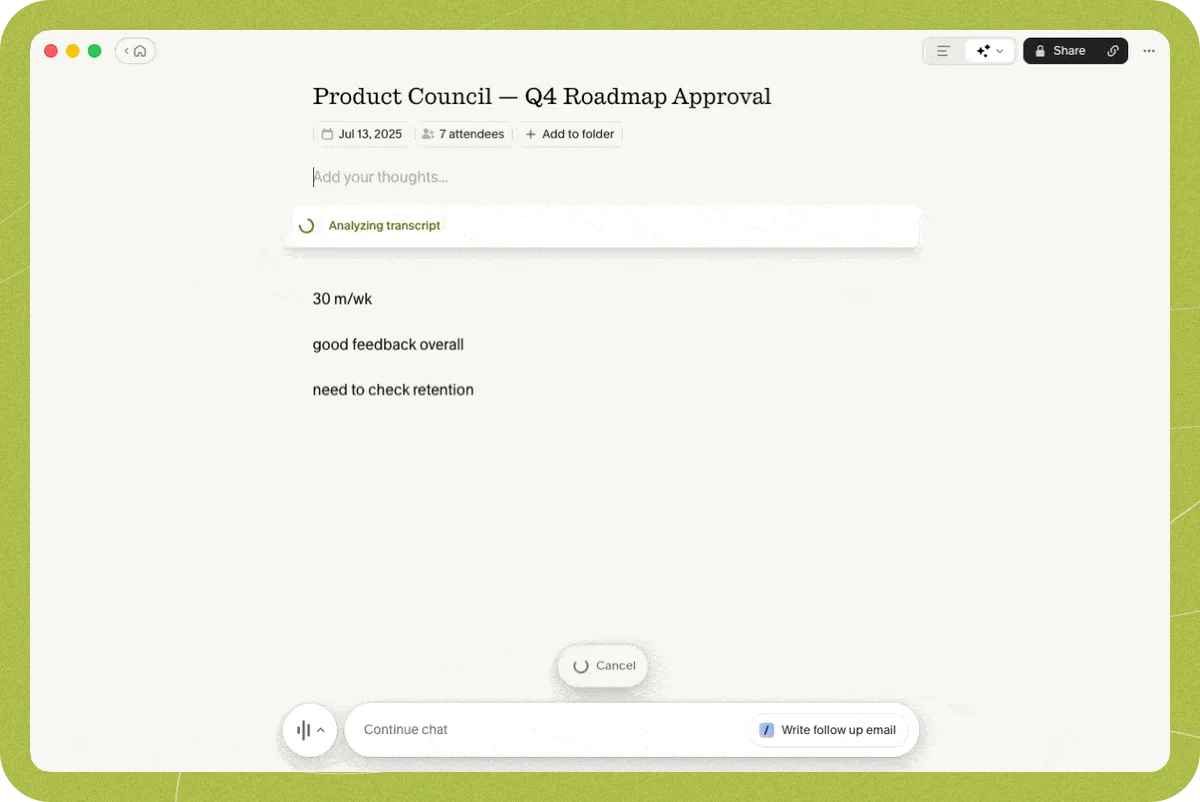
Granola meeting capture
Workspace
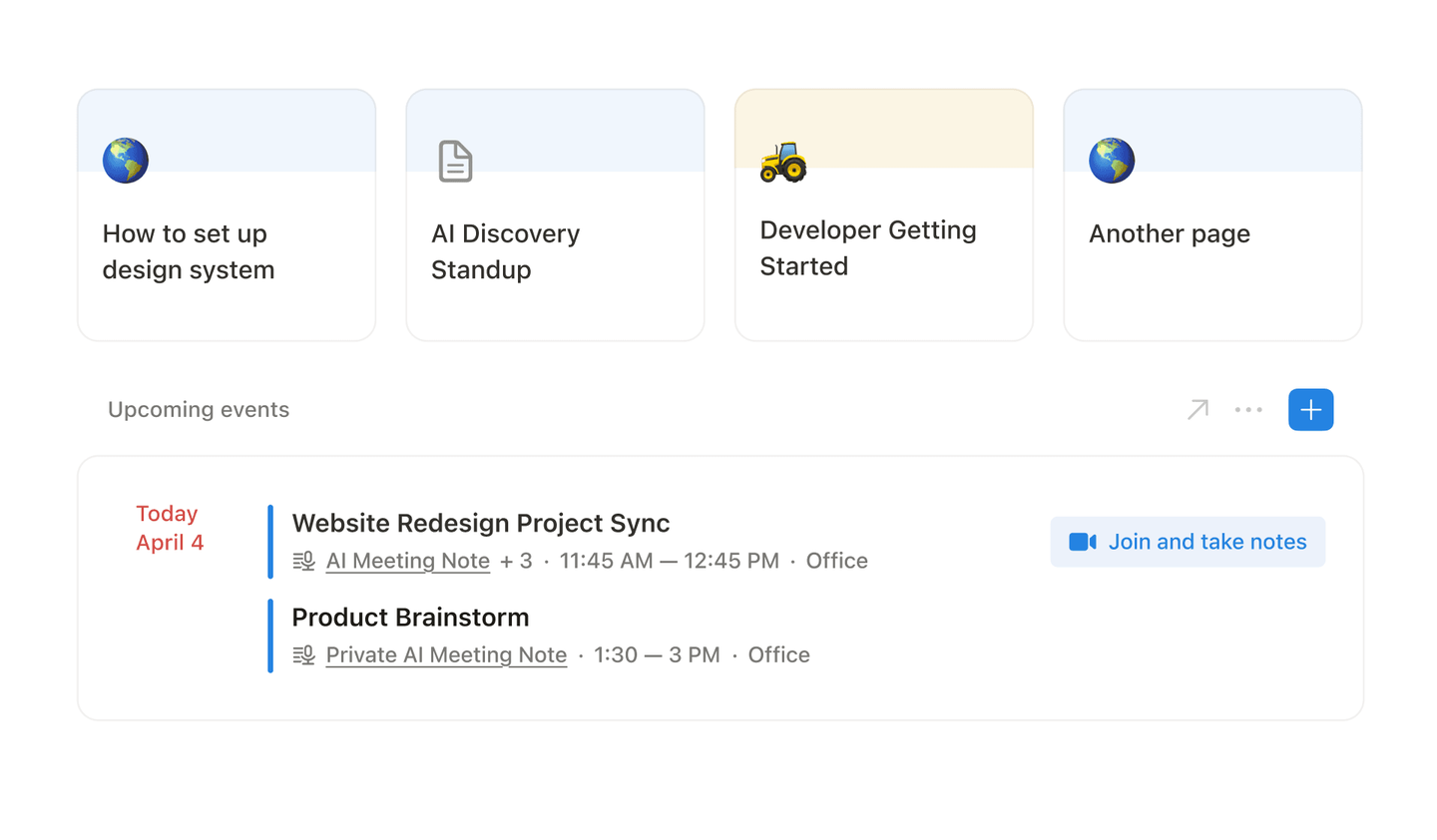
Notion AI meeting notes
Yuzu
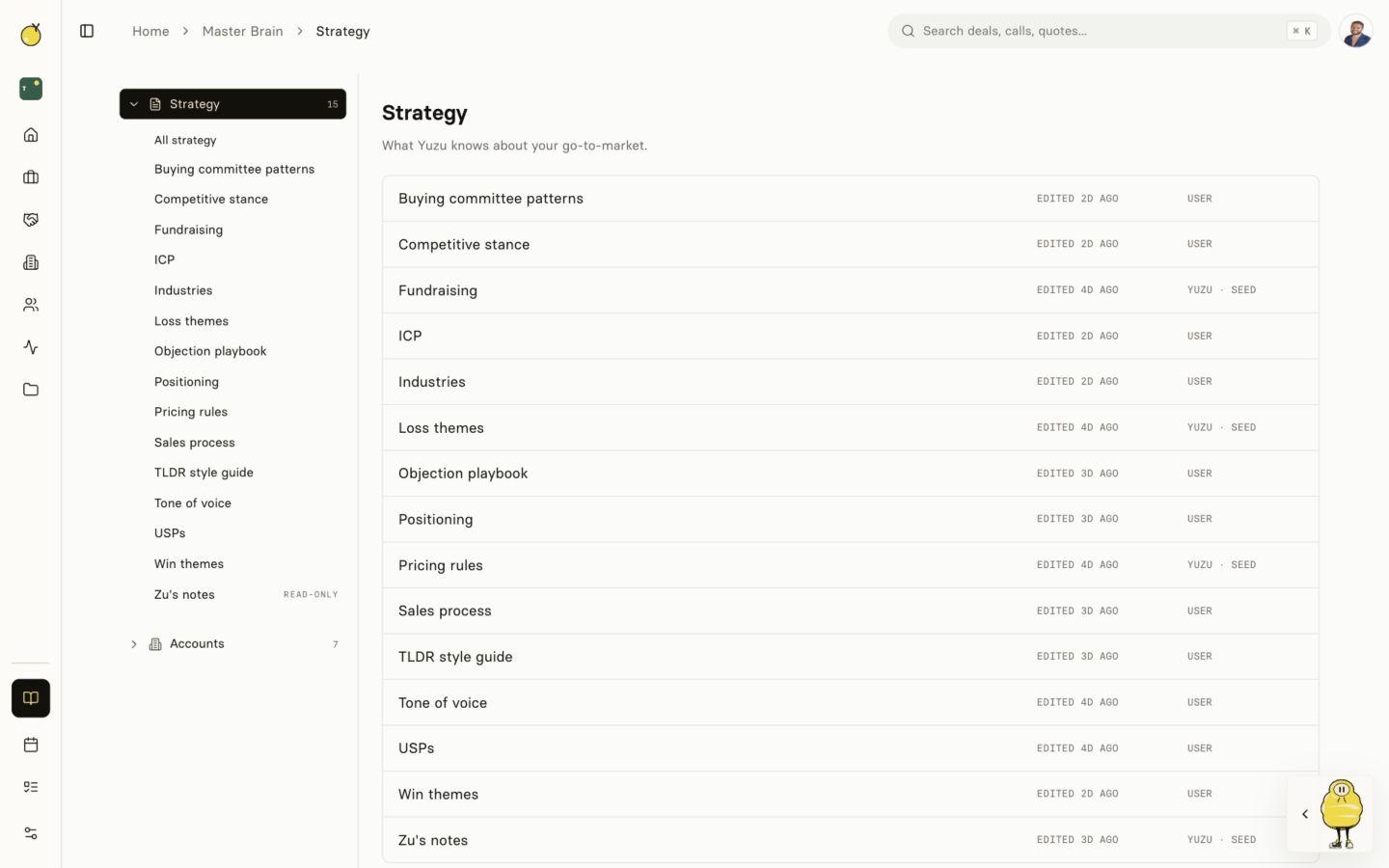
Yuzu Master Brain
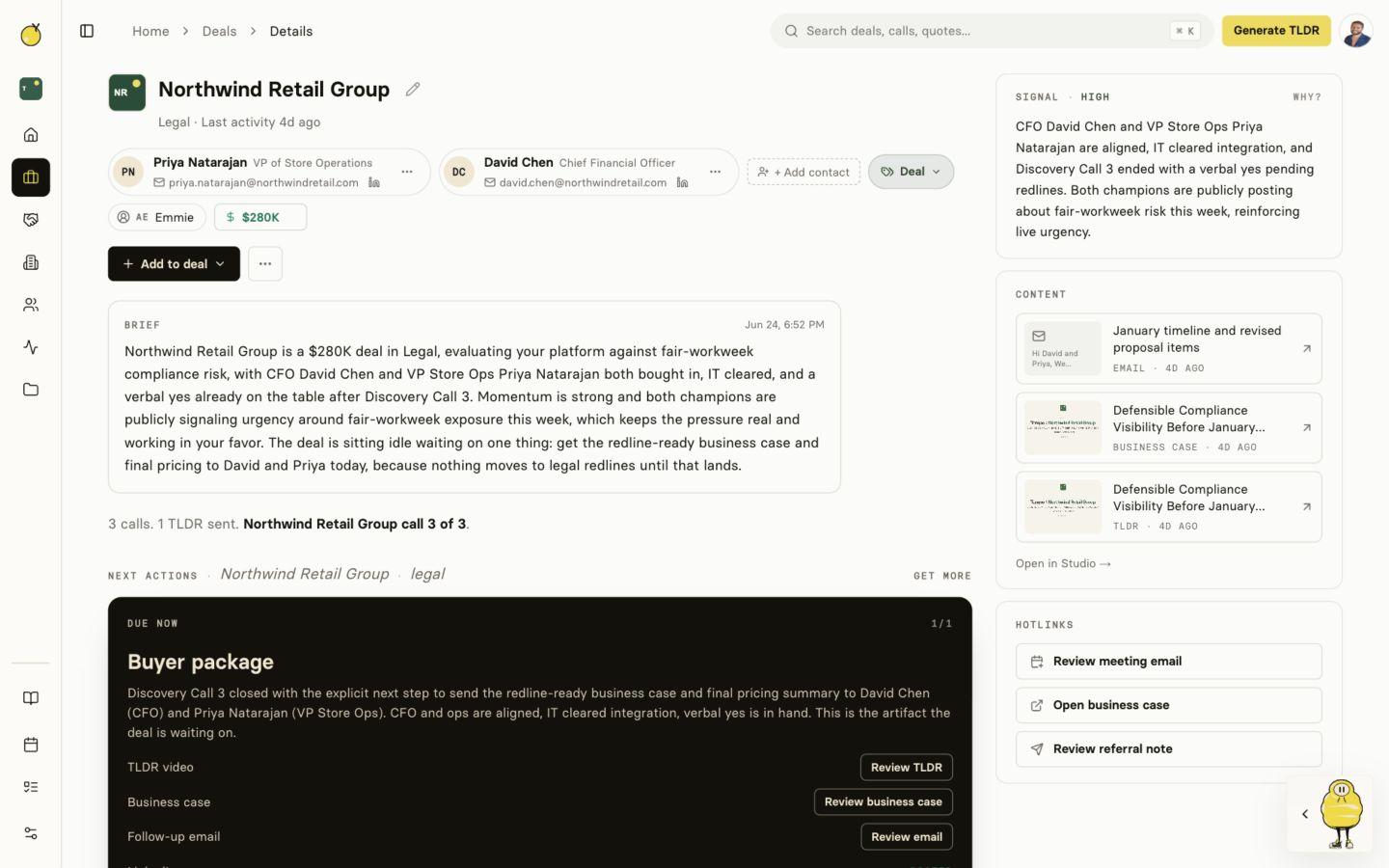
Yuzu
Yuzu deal action
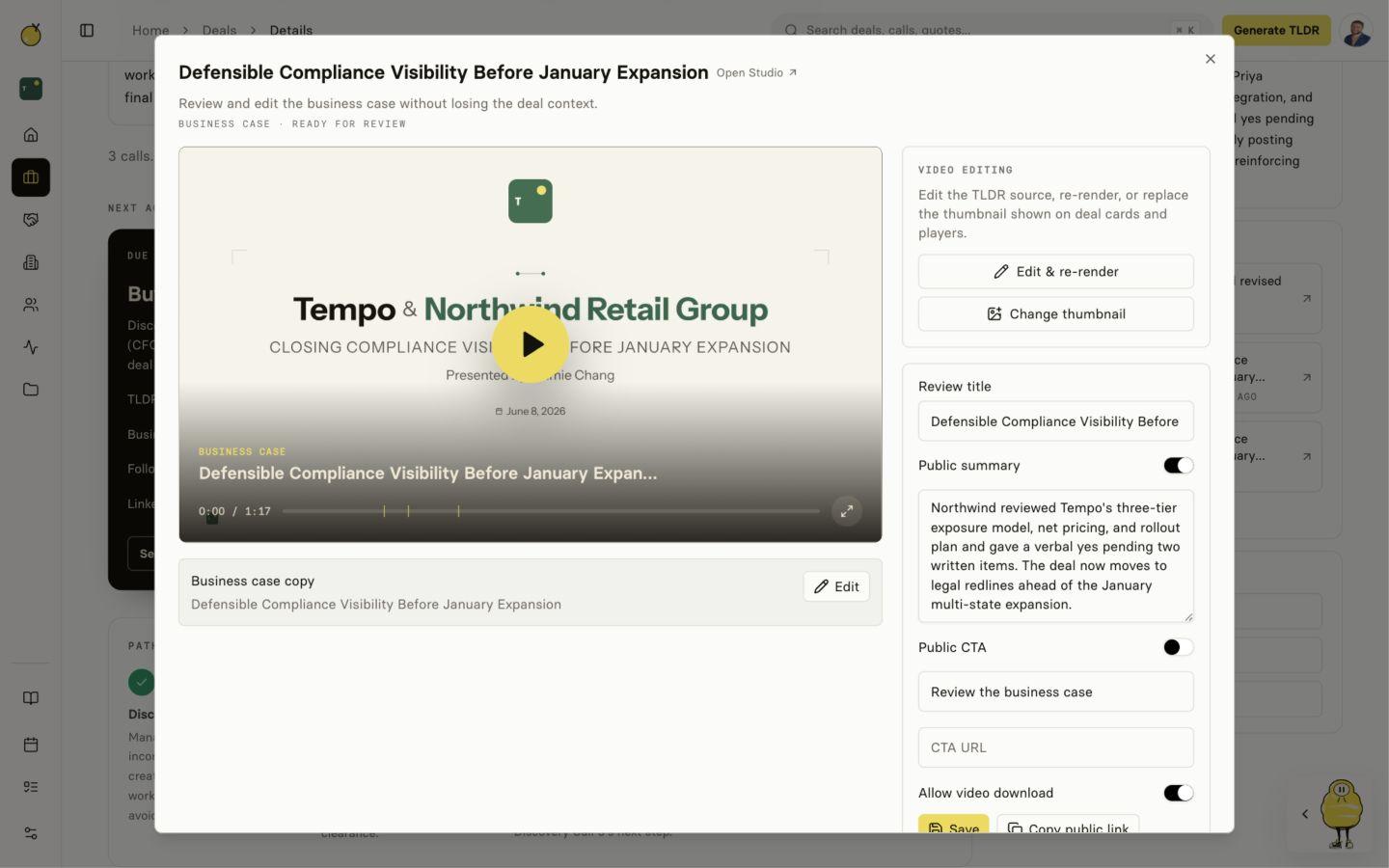
Yuzu
Yuzu buyer proof
Deep dives
One page for each named tool.
The detailed posts stay long for search and AI answers. This page stays scannable.
CRM
Yuzu vs Salesforce
The record says what reps entered. It rarely knows which buyer belief changed on the call or which artifact would move the deal.
Read →CRM
Yuzu vs HubSpot
Forecast categories and dashboards help managers inspect, but the seller still has to decide the move.
Read →AI CRM
Yuzu vs Attio
It can unify records and automate revenue workflows, but teams still need deal-specific judgment and buyer-ready proof.
Read →AI CRM
Yuzu vs Monaco
Automation can create more activity. It does not automatically prove that the one next move is worth spending now.
Read →Revenue intelligence
Yuzu vs Gong
A better forecast is still not the same as landing the artifact, message, or internal route that changes it.
Read →Notetaker
Yuzu vs Granola
Notes preserve the conversation. They do not become a forecast read, champion asset, or CRM next step by default.
Read →Workspace + notes
Yuzu vs Notion
A great workspace can organize the output. It is not built as a revenue timing engine.
Read →Try the action layer
Keep the CRM. Keep the notetaker. Give the team the move.
We will show where Yuzu reads your real deals, spots the drift, and turns it into a buyer-ready action before the moment passes.