 Login
LoginBlog
What I learned at YC, and why I'm building Yuzu
Texas, engineering, Camperoo, and the thread that led me to Yuzu.

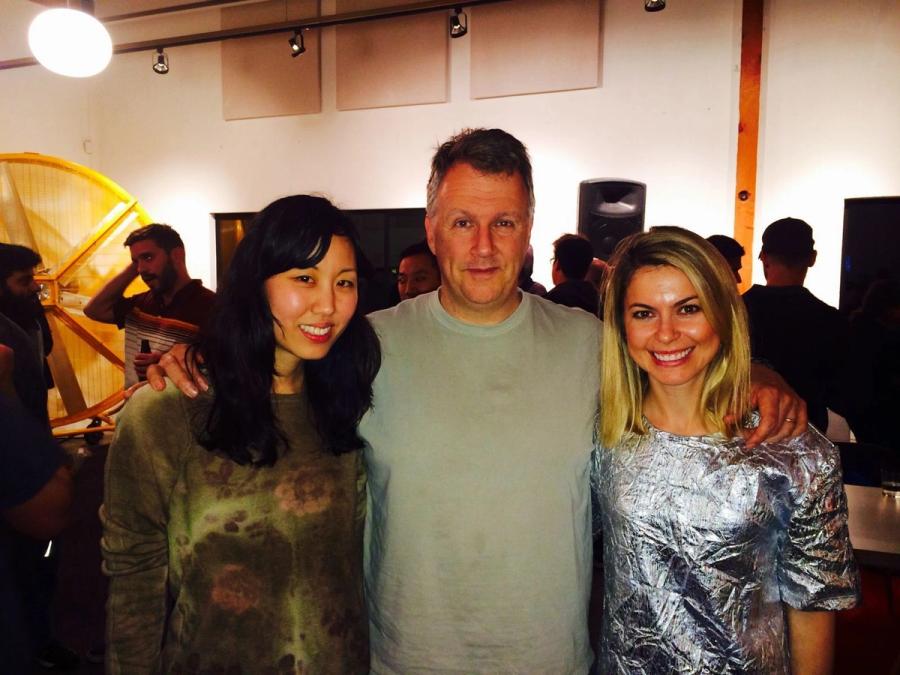
I do not think of Yuzu as a clean break from what I built before. It is the next version of a problem I keep finding: people are doing real work in conversations, spreadsheets, calls, calendars, and half-finished follow-ups, but the system around them does not help the work move.
The place I startedLink to heading
I grew up in Texas around NASA towns. Engineering was not an abstract idea there. It was in the air: people building hard things, checking their work, thinking in systems, and taking the details seriously because the details mattered.
That is a big reason I went to engineering school. I liked the discipline of it. I liked that you could take something messy, model it, test it, and make it usable for someone else. I did not have language for it then, but that is still how I think about product.
Camperoo was a coordination problemLink to heading
Before Yuzu, I built Camperoo. Y Combinator wrote about Camperoo as a way for parents to find and book summer camps and activities for kids. TechCrunch covered the same launch.
On the surface, that company was about camps. Underneath, it was about coordination. Parents were trying to make good decisions with incomplete information. Providers were trying to explain what made their programs different. Everyone had context, but the context lived in too many places.
That kind of problem is not glamorous, but it is everywhere. It shows up when families pick summer camps. It shows up when kids learn to code. It shows up when a founder is trying to keep a deal alive and the buyer needs something clear enough to forward internally.
YC made the stakes clearerLink to heading
I went through YC W14 with Camperoo/FutureLeague. The YC company profile lists FutureLeague, which is the earlier company history. Yuzu Labs is not YC-backed, and we should be clear about that. YC is part of my founder history, not a badge for this company.
One of the more chaotic parts of that period is a story I later wrote about: my technical co-founder quit the day before my YC interview. I still think about that moment because it forced a useful question: what do you do when the plan breaks and the work still has to move?
That is the founder muscle I care about. Not the clean version of the story. The actual version. The one where you are missing information, time is compressed, people are waiting on you, and you still have to make the next useful thing happen.
Why education keeps showing upLink to heading
After Camperoo, I kept coming back to learning and education. ValleyTalks described some of that work around teaching kids how to code. That thread matters because education is another place where the real work is human, messy, and full of context.
Good software does not remove the human part. It gives people a better handle on it. It helps them see what matters, explain it clearly, and take the next step without losing momentum.
Why this leads to YuzuLink to heading
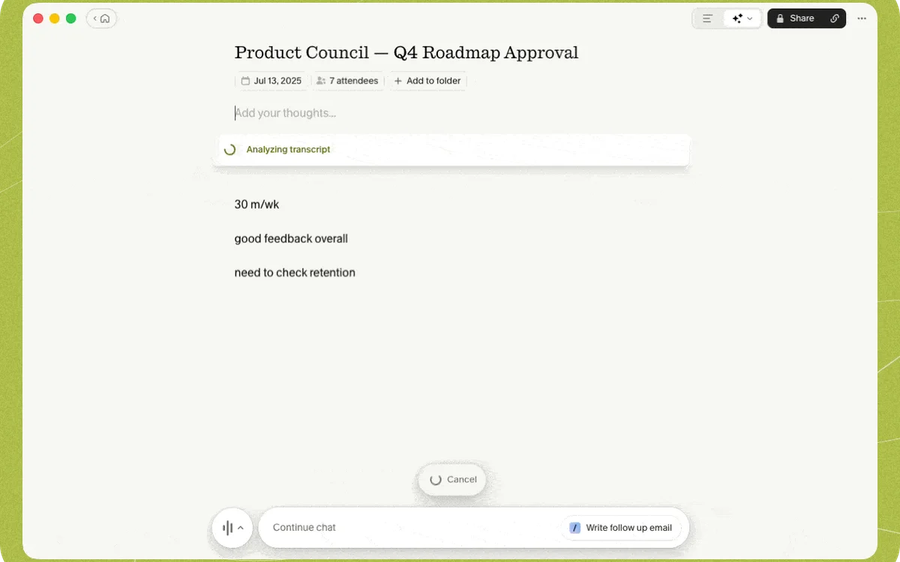
Sales calls are full of the same kind of hidden work. A buyer says one sentence that changes the deal. A champion needs a shorter version for their CFO. A founder hears the real objection but has to turn it into a follow-up, a TLDR video, a deck, a post, or a note before the window closes.
That is why Yuzu exists. We are not trying to replace the seller. We are trying to protect the work already happening in the conversation and turn it into the artifact that moves the deal.
The line we use is "just keep talking" because that is what great sellers and founders already do. They keep the conversation alive. Yuzu listens, finds the signal, and hands back the thing worth sending.
Sources and further readingLink to heading
FutureLeague on Y Combinator; YC on Camperoo; TechCrunch on Camperoo; the co-founder story; and ValleyTalks on Emmie and teaching kids to code.